Why Visit Iceland?
Iceland offers an incredible variety of natural attractions within a relatively small country. During a single day, you can stand beside a roaring waterfall, walk across volcanic lava fields, visit a glacier lagoon, and end your evening relaxing in a geothermal spa.
Unlike many popular destinations, Iceland feels wonderfully uncrowded once you leave the busiest tourist routes. Endless open landscapes, dramatic coastlines, and quiet mountain roads create a sense of freedom that's difficult to find elsewhere.
Visitors come to Iceland for many reasons, including:
Spectacular waterfalls
Massive glaciers
Active volcanoes
Black sand beaches
Northern Lights
Midnight Sun
Geothermal lagoons
Whale watching
Puffin colonies
Scenic road trips
Every season offers something unique, making Iceland a destination worth visiting more than once.
Best Time to Visit Iceland
Choosing the best time depends on what you'd like to experience.
Summer (June to August)
Summer is the most popular season. Thanks to the Midnight Sun, daylight lasts almost around the clock, giving travelers plenty of time to explore.
Average temperatures range between 10–15°C (50–59°F), making hiking and road trips comfortable.
Summer is ideal for:
Ring Road adventures
Hiking
Camping
Wildlife watching
Photography
Autumn (September to October)
Autumn brings fewer visitors and beautiful golden landscapes. It's also when the first Northern Lights begin appearing after dark.
Hotels are generally more affordable than during peak summer.
Winter (November to March)
Winter transforms Iceland into a snowy wonderland.
Although daylight is limited, this is the best season for:
Aurora Borealis
Ice caves
Snowmobiling
Glacier adventures
Hot springs surrounded by snow
Weather conditions can change quickly, so flexibility is important.
Spring (April to May)
Spring offers longer days, melting waterfalls, blooming landscapes, and smaller crowds before the busy summer season begins.
Getting to Iceland
Most international visitors arrive at Keflavík International Airport (KEF), approximately 45 minutes from Reykjavík.
Direct flights connect Iceland with many cities across Europe and North America.
After arriving, you can:
Rent a car
Book airport transfers
Take shuttle buses
Join organized tours
If you plan to explore beyond Reykjavík, renting a car is highly recommended.
Top Places to Visit
Reykjavík
Although Iceland's capital is relatively small, it's full of charm.
Highlights include:
Hallgrímskirkja Church
Harpa Concert Hall
Sun Voyager sculpture
Old Harbour
Local cafés
Street art
Excellent seafood restaurants
Spend at least one day exploring the city before heading into Iceland's countryside.
The Golden Circle
The Golden Circle is Iceland's most famous sightseeing route.
It includes three incredible attractions.
Þingvellir National Park
This UNESCO World Heritage Site is one of Iceland's most important historical locations.
Visitors can literally walk between the North American and Eurasian tectonic plates while exploring lava fields, lakes, and hiking trails.
Geysir Geothermal Area
The original "geyser" gave its name to all geysers around the world.
Today, Strokkur steals the show by erupting every five to ten minutes, sending boiling water high into the air.
Gullfoss
Often considered Iceland's most beautiful waterfall, Gullfoss crashes dramatically into a rugged canyon.
On sunny days, rainbows frequently appear above the falls.
Seljalandsfoss
One of Iceland's most photographed waterfalls, Seljalandsfoss offers something truly unique—you can actually walk behind the waterfall during the warmer months.
It's one of the country's most unforgettable experiences.
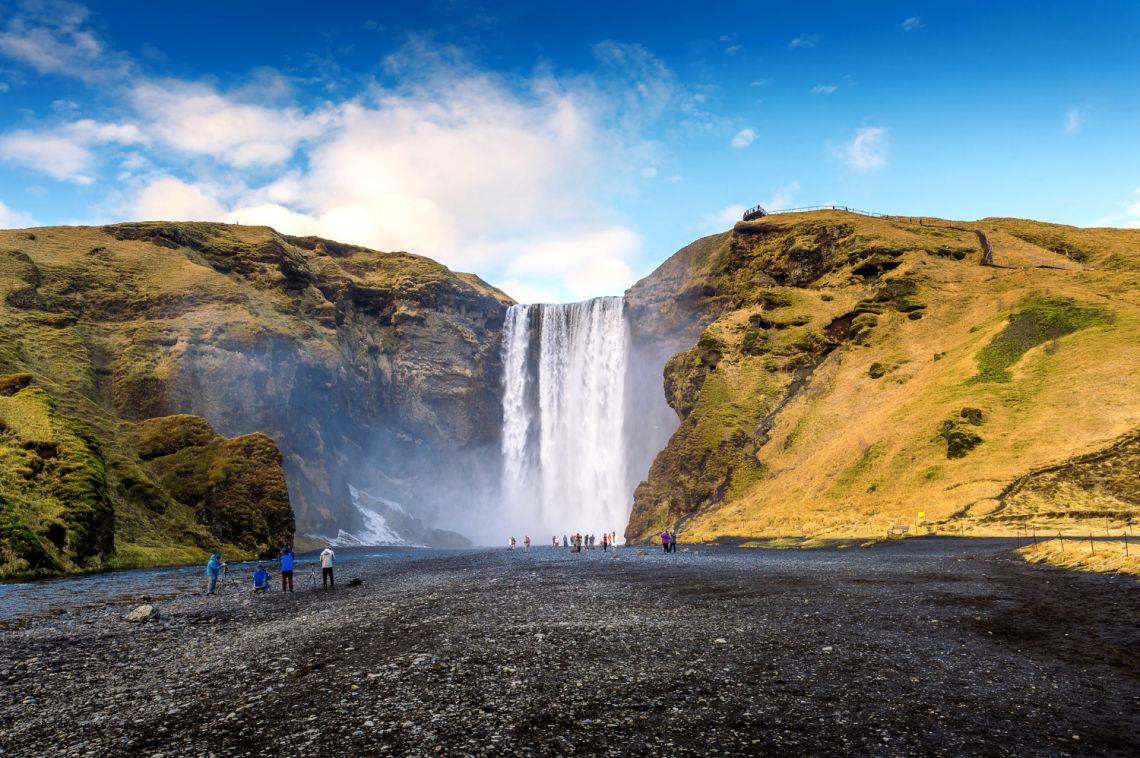
Skógafoss
Standing over 60 meters high, Skógafoss is among Iceland's largest waterfalls.
Visitors can climb the staircase beside the falls for breathtaking panoramic views over the surrounding countryside.
Reynisfjara Black Sand Beach
Located near the village of Vík, Reynisfjara is famous for its volcanic black sand, dramatic basalt columns, and towering sea stacks.
Although beautiful, the powerful Atlantic waves are extremely dangerous, so visitors should always remain a safe distance from the water.
Jökulsárlón Glacier Lagoon
This breathtaking lagoon is filled with floating icebergs that slowly drift toward the Atlantic Ocean.
Boat tours provide an unforgettable opportunity to get close to the ice while seals often swim nearby.
Diamond Beach
Just across the road from Glacier Lagoon lies Diamond Beach, where crystal-clear chunks of ice wash ashore on black volcanic sand.
The contrast creates one of Iceland's most spectacular photography locations.
Vatnajökull National Park
Covering around 14% of Iceland, Vatnajökull National Park is home to Europe's largest glacier.
Visitors can enjoy:
Glacier hikes
Ice caves
Waterfalls
Volcanoes
Hiking trails
Scenic viewpoints
Best Things to Do
Beyond sightseeing, Iceland offers countless outdoor adventures.
Popular activities include:
Driving the Ring Road
Whale watching
Glacier hiking
Ice cave tours
Snowmobiling
Horseback riding
Visiting geothermal lagoons
Lava cave exploration
Hiking volcanoes
Chasing the Northern Lights
Adventure lovers will never run out of things to experience.
Suggested 7-Day Itinerary
Day 1: Arrive in Reykjavík and relax at the Blue Lagoon.
Day 2: Explore the Golden Circle.
Day 3: Visit Seljalandsfoss, Skógafoss, and Reynisfjara Beach.
Day 4: Continue to Jökulsárlón Glacier Lagoon and Diamond Beach.
Day 5: Drive through East Iceland's picturesque fishing villages.
Day 6: Explore North Iceland, including Lake Mývatn and Goðafoss Waterfall.
Day 7: Return to Reykjavík via western Iceland before departure.
What to Eat
Icelandic cuisine focuses on fresh local ingredients.
Don't miss:
Icelandic lamb
Arctic char
Fresh cod
Lobster soup
Skyr yogurt
Cinnamon rolls
Rye bread baked using geothermal heat
Fresh seafood platters
Coffee culture is also excellent, with cozy cafés found throughout Reykjavík and smaller towns.
Getting Around
The famous Ring Road (Route 1) circles the island and connects most major attractions.
Driving is by far the easiest way to explore Iceland independently.
Useful tips:
Fill up your fuel tank regularly in remote areas.
Check weather forecasts every day.
Drive carefully during winter.
Respect speed limits.
Many mountain roads require a 4WD vehicle.
Budget
Although Iceland is one of Europe's more expensive countries, careful planning helps keep costs manageable.
Approximate daily budget:
Budget traveler: €120–180
Mid-range traveler: €220–350
Luxury traveler: €450+
To save money:
Book accommodation early.
Travel during spring or autumn.
Prepare some meals yourself.
Share rental cars if traveling with friends.
Travel Tips
Pack waterproof clothing.
Wear layered clothing.
Bring sturdy hiking boots.
Always carry a reusable water bottle.
Respect Iceland's fragile natural environment.
Stay on marked walking paths.
Check road and weather conditions daily.
Book popular attractions in advance during summer.
Frequently Asked Questions
How many days do I need?
Seven to ten days is ideal for first-time visitors.
Is Iceland expensive?
Yes, but planning ahead can significantly reduce costs.
Can I drive around Iceland?
Absolutely. The Ring Road is well maintained and suitable for most rental vehicles during summer.
When can I see the Northern Lights?
From September through March, provided skies are clear.
Is Iceland safe?
Yes. Iceland consistently ranks among the safest countries in the world.
Iceland is one of those rare destinations that exceeds expectations. Its landscapes are raw, dramatic, and constantly changing, offering something extraordinary around every corner. From cascading waterfalls and glacier lagoons to volcanic craters and geothermal hot springs, every day brings a new adventure.
Whether you're driving the Ring Road, exploring Reykjavík's vibrant culture, hiking across ancient lava fields, or watching the Northern Lights illuminate the Arctic sky, Iceland promises memories that will stay with you for a lifetime. It's a destination that encourages you to slow down, appreciate nature, and embrace the spirit of exploration—making it one of the most remarkable places you'll ever visit.